Forza Horizon 6 Leak: Inside the Intentional Breach
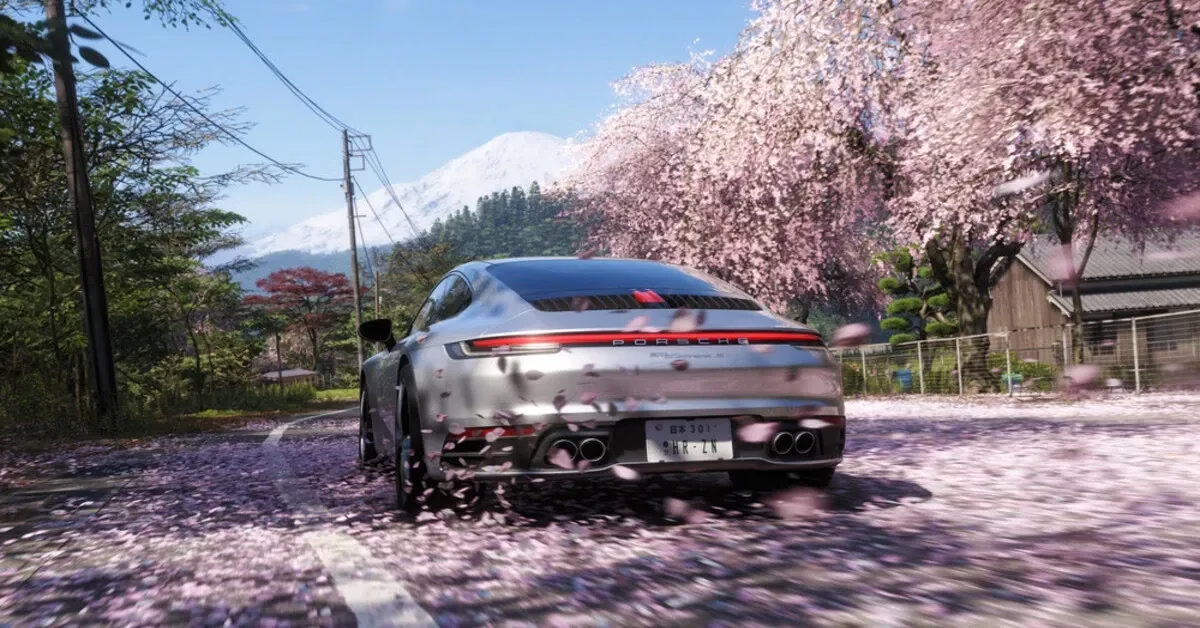
The gaming community found itself in turmoil three days ago when an unauthorized build of Forza Horizon 6 began circulating across various platforms. What initially appeared to be a simple technical mishap has now been revealed as something far more sinister – an intentional breach orchestrated by someone with privileged access to the highly anticipated racing title.
The Initial Confusion and False Narratives
When the massive 155GB game build first surfaced online, speculation ran rampant throughout gaming forums and social media channels. Many players and industry observers jumped to conclusions, convinced they had witnessed a classic case of developer error. The prevailing theory suggested that Playground Games had accidentally pushed the complete game build to Steam without implementing proper encryption protocols. This narrative gained significant traction when eagle-eyed users spotted a substantial update registered on SteamDB associated with the game's official listing.
The speed at which this explanation spread was remarkable. Within hours, countless articles, tweets, and forum posts had cemented the "preload error" story as accepted fact. However, this widespread belief was built on a foundation of assumptions rather than verified information. Players sympathized with what they perceived as an embarrassing technical oversight by the development team, not realizing they were being led down an entirely incorrect path.
Official Statements Set the Record Straight
Playground Games wasted no time in addressing the misinformation campaign that had taken hold of the gaming community. Through official channels on X (formerly Twitter), the studio issued a clear and unambiguous statement: the leak had nothing to do with preload errors or encryption failures. Instead, they confirmed that someone with early access to the game had deliberately leaked the build. This revelation transformed the incident from an embarrassing mistake into a serious security breach requiring immediate investigation.
SteamDB, the popular database tracking Steam game updates and information, also stepped forward to clarify the situation. Their representatives explained that the suspicious 155GB update listing that had fueled speculation was likely the result of someone utilizing their token dumper tool. This technical instrument, while useful for legitimate tracking purposes, can sometimes inadvertently expose package-related information to public view. To reinforce their position, SteamDB shared a detailed published post explaining the intricate mechanics of how Steam preloads actually function, effectively dismantling the technical impossibility of the scenario that many had accepted as truth.
A Pattern of High-Profile Breaches Emerges
The Forza Horizon 6 incident didn't occur in isolation. Skeptical community members began connecting dots between this leak and other recent high-profile game breaches. Most notably, Subnautica 2 had experienced a similar unauthorized disclosure shortly before the Forza incident. These parallel events suggested a disturbing pattern rather than isolated occurrences.
Whispers and rumors began circulating through Reddit communities and gaming forums. One particularly explosive theory gaining traction alleged that an influencer or professional reviewer might be systematically leaking encryption keys for multiple upcoming titles. The list of potentially compromised games reads like a who's who of highly anticipated releases:
-
Death Stranding 2 - Hideo Kojima's follow-up to his groundbreaking delivery simulator
-
Pragmata - Capcom's mysterious science fiction project
-
LEGO Batman - The latest entry in the beloved LEGO gaming franchise
-
Forza Horizon 6 - The racing series' newest installment
-
Subnautica 2 - The underwater survival game's anticipated sequel
If these allegations prove accurate, the gaming industry faces a security crisis of unprecedented proportions. The implications extend far beyond simple spoilers or early gameplay footage. Complete game builds in the hands of unauthorized individuals represent massive financial losses, potential piracy opportunities, and the corruption of carefully planned marketing campaigns.
The Journey of Leaks Before Launch
Interestingly, Forza Horizon 6 had already weathered multiple information breaches throughout its development cycle. Even before Microsoft and Playground Games officially announced the title's existence, behind-the-scenes development footage had mysteriously appeared online. These early glimpses provided confirmation of the game's existence long before any official reveal trailer or press release.
As time progressed, additional details continued to escape the studio's control. Complete radio playlists featuring licensed music tracks found their way onto fan sites and forums. Automotive enthusiasts pored over leaked car lists, analyzing which vehicles would grace the game's diverse roster. Each successive leak chipped away at the carefully constructed marketing strategy that publishers typically employ to build anticipation and control narrative flow.
However, none of these previous incidents compared to the magnitude of a complete, playable game build circulating freely across the internet. This represented an escalation that demanded serious consequences and aggressive countermeasures.
Swift and Severe Consequences
Playground Games responded to the breach with decisive action. The studio immediately began implementing comprehensive ban waves targeting any accounts detected accessing or downloading the illegally distributed build. These weren't simple temporary suspensions or warnings. The consequences being handed down included:
Hardware Bans
Players found guilty face permanent hardware identification bans, meaning their specific computer components are blacklisted from accessing any Forza titles. Even purchasing the game legitimately on different accounts won't circumvent these restrictions.
Franchise-Wide Bans
Offenders lose access not just to Forza Horizon 6, but to the entire Forza franchise across all platforms. Years of progress, purchased vehicles, and earned achievements vanish instantly.
Absurd Ban Durations
In a move that combines severity with dark humor, some banned accounts display expiration dates set for December 31, 9999. This effectively permanent ban sends an unmistakable message about the seriousness with which Playground Games views these violations.
Community Reactions and Ongoing Skepticism
Despite official clarifications from both Playground Games and SteamDB, segments of the gaming community remain skeptical of the intentional breach narrative. Some players continue questioning whether the full story has been revealed, pointing to inconsistencies or gaps in the public explanations provided.
This skepticism reflects broader trust issues between game publishers and their audiences. Years of corporate messaging, marketing spin, and damage control have created an environment where official statements are frequently met with doubt rather than acceptance. Players have become amateur investigators, analyzing technical details and comparing timelines to construct their own theories about what really happened.
Others within the community have taken a more pragmatic stance. They recognize that whether the leak resulted from intentional malice or extraordinary incompetence, the end result remains the same: a massive security failure that undermines the hard work of hundreds of developers who poured years into creating Forza Horizon 6.
Technical Realities of Steam Distribution
Understanding the technical impossibility of the initially reported preload error requires diving into how Steam actually handles game distribution. When developers prepare preload versions of their games, multiple layers of encryption and security protocols protect the content. Steam's infrastructure doesn't simply allow complete, unencrypted game builds to accidentally upload and distribute.
The platform employs sophisticated verification systems that would immediately flag an unencrypted major release. Additionally, the approval processes and deployment pipelines include multiple checkpoints designed specifically to prevent exactly the kind of error that early reports suggested had occurred. For a complete AAA game build to bypass all these safeguards would require either catastrophic system failures across multiple independent security layers or deliberate circumvention by someone with appropriate access credentials.
This technical context explains why both Playground Games and SteamDB moved so quickly to correct the false narrative. They understood that the technical explanation being widely accepted was essentially impossible given how the systems actually function.
The Broader Impact on the Industry
This incident and the potential connection to other recent leaks raises serious questions about security practices throughout the gaming industry. If the rumors about a single individual systematically compromising multiple high-profile titles prove true, it exposes concerning vulnerabilities in how publishers distribute advance review copies and manage early access credentials.
Publisher Security Protocols
Publishers may need to fundamentally rethink how they handle pre-release content distribution. Traditional methods of providing early access to reviewers, influencers, and press representatives clearly contain exploitable weaknesses. Potential solutions might include:
-
More restrictive digital rights management for review builds
-
Enhanced monitoring of who accesses pre-release content and when
-
Watermarking technology that traces leaked content back to specific accounts
-
Stricter legal agreements with more severe penalty clauses
-
Reduced advance access windows closer to official launch dates
The Cost of Leaks
Beyond the obvious security concerns, these leaks carry substantial financial implications. Marketing budgets for major releases often reach tens of millions of dollars, carefully orchestrated to build anticipation through controlled information release. When complete game builds leak early, that entire marketing strategy collapses. Pre-order campaigns lose effectiveness when potential customers can access the full product illegally before launch. Review embargoes become meaningless when gameplay footage floods social media from unauthorized sources.
Looking Forward
As Forza Horizon 6 approaches its official launch date, Playground Games faces the challenging task of rebuilding excitement and trust with their fanbase. The development team's hard work creating an expansive, beautiful racing experience has been overshadowed by security breaches and controversy. Legitimate players who avoided the leaked build and respected the studio's intellectual property rights deserve a clean, exciting launch experience.
The coming weeks will likely bring additional revelations about who was responsible for the breach and potentially expose the full scope of the security compromise if it indeed extends to other titles. Industry observers will watch closely to see whether patterns emerge connecting these incidents and what preventative measures publishers implement in response.
For now, the message from Playground Games remains clear: accessing or distributing the leaked build carries serious, permanent consequences. Players eager to experience the latest Forza Horizon adventure should wait for the official release and support the developers who spent years crafting this experience. The racing community deserves better than to have their most anticipated title tainted by security breaches and unauthorized distribution.
The gaming industry stands at a crossroads. How publishers and developers respond to these escalating security challenges will shape the landscape of game development, marketing, and distribution for years to come. One thing is certain: the days of casual security practices and trusting early access recipients are rapidly coming to an end. 🎮🏎️
